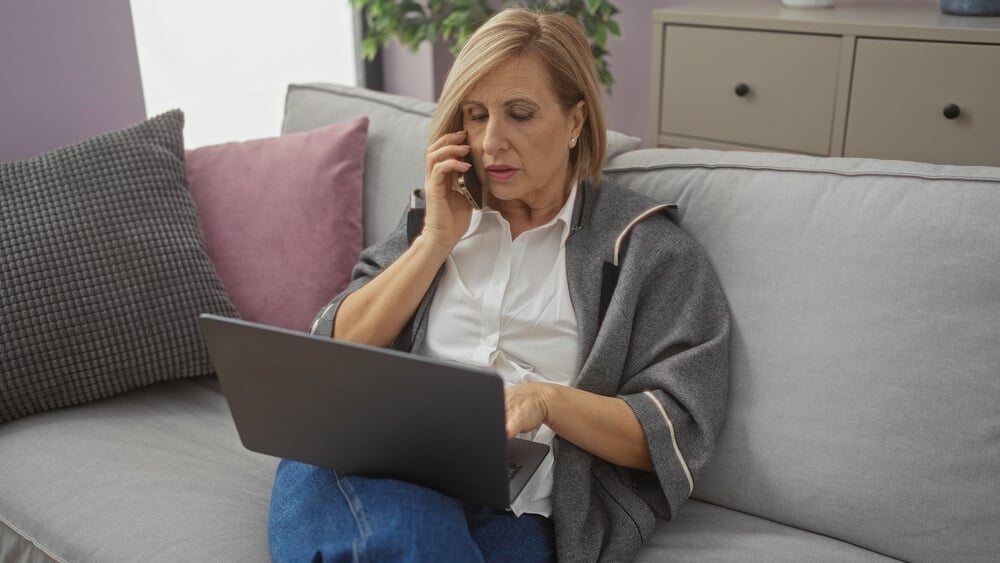
Caring for a parent is complex under the best circumstances. When you live in another city or state, that complexity deepens. Long-distance caregiving for aging parents often means piecing together information from phone calls, medical updates, and brief visits, all while managing your own household and career. You may feel responsible but removed, involved yet unsure.
The reality is that distance does not eliminate your role. It changes it. Long-distance caregiving for aging parents requires structure, observation, communication, and often local support. With a thoughtful approach, you can protect your parent’s safety and independence while reducing the uncertainty that distance creates.
How Do You Manage Long-Distance Caregiving for Aging Parents?
Long-distance caregiving for aging parents works best when you create a proactive care plan, establish reliable local support, monitor health and safety consistently, and reassess needs as conditions change. Combining regular communication with professional in-home assistance allows your parent to remain independent while ensuring oversight and peace of mind.
Why Long-Distance Caregiving Is So Common Today
Families are more geographically dispersed than in previous generations. Career moves, military service, remarriage, and retirement relocations have placed many adult children hours away from their parents. At the same time, people are living longer with chronic conditions that require ongoing supervision rather than short-term care.
Heart disease, diabetes, arthritis, early cognitive decline, and mobility limitations rarely demand immediate institutional care. Instead, they require steady monitoring. That is why long-distance caregiving for aging parents has become a normal reality for millions of families.
The difference between feeling overwhelmed and feeling prepared usually comes down to planning.
The Emotional Weight of Caring from Afar
Distance introduces uncertainty. You cannot see subtle changes in gait. You cannot notice unopened mail stacking up on the counter. You cannot observe whether your parent seems withdrawn or unusually tired.
Many seniors downplay concerns. They do not want to alarm their children or fear losing independence. Others may not fully recognize their own decline. As a result, long-distance caregiving for aging parents often carries an undercurrent of guilt and second-guessing.
It is important to reframe your role. You are not absent. You are coordinating. You are advocating. You are planning. Thoughtful oversight from a distance is still active caregiving.
Recognizing When More Support May Be Needed
Patterns matter more than isolated incidents. A single missed appointment may not signal decline. Repeated medication confusion might.
Watch for clusters of changes such as:
-
Declining personal hygiene
-
Increasing forgetfulness or confusion
-
Unopened mail or unpaid bills
-
Expired food in the refrigerator
-
Withdrawal from social activities
-
Frequent minor falls or unexplained bruises
If several of these concerns appear together, long-distance caregiving for aging parents may require a new layer of support. Early intervention is almost always easier than crisis management.
Using Technology Wisely in Long-Distance Caregiving for Aging Parents
Technology has transformed how families stay connected. Video calls allow you to observe facial expressions and general appearance. Patient portals provide access to medical notes and lab results. Medication reminder apps and automated refill services reduce confusion.
These tools are valuable. They provide visibility. However, they cannot replace human presence. A trained caregiver may notice mild swelling in the ankles, subtle weight loss, or changes in mood that would never appear on a screen.
Technology should enhance long-distance caregiving for aging parents, not replace personal oversight.
Building a Local Safety Net
Every long-distance caregiving plan should include trusted local contacts. That may include neighbors, close friends, members of a faith community, or extended family. Physicians and pharmacists also play important roles in observing changes.
Still, informal networks have limits. They are not always available during emergencies or able to provide consistent assistance.
This is where professional in-home care becomes a stabilizing factor. Even a few hours per week of caregiver support can provide regular observation, medication reminders, light housekeeping, meal preparation, and companionship. For families navigating long-distance caregiving for aging parents, this consistent presence often reduces anxiety significantly.
Creating a Clear and Flexible Care Plan
Proactive families write things down. A care plan should include medical conditions, medication lists, physician contact information, emergency contacts, insurance details, and daily routines. It should also address transportation needs and home safety concerns.
Review this plan at least twice a year. Update it after hospitalizations, new diagnoses, or noticeable changes in mobility or memory.
Long-distance caregiving for aging parents becomes more manageable when decisions are documented rather than improvised.
Coordinating Medical Care Across State Lines
One of the most practical steps you can take is securing proper authorization to speak with healthcare providers. HIPAA forms allow physicians to communicate openly with you about your parent’s condition.
Maintaining a shared digital calendar for appointments prevents missed visits. When appropriate, telehealth can provide added access without requiring travel. It is also wise to keep an updated medication list easily accessible.
If possible, attend at least one in-person medical appointment each year. Direct conversations with providers often reveal nuances that do not come through in summaries.
Protecting Financial and Legal Stability
Long-distance caregiving for aging parents includes financial vigilance. Confirm that durable power of attorney and healthcare proxy documents are current. Review long-term care insurance policies if applicable. Automated bill payment systems can reduce missed payments while still allowing oversight.
Unfortunately, seniors are frequently targeted by scams. Changes in spending habits, unusual withdrawals, or secrecy around finances should prompt further discussion.
Legal and financial clarity provides stability long before a crisis occurs.
Making the Most of In-Person Visits
When you travel to see your parent, use the visit as both connection time and assessment time. In addition to enjoying meaningful moments together, intentionally observe the home and daily routines.
During visits, take time to:
-
Notice mobility, balance, and ease of movement
-
Review medications together for accuracy
-
Check the refrigerator and pantry for fresh food
-
Look for bathroom safety hazards such as loose rugs or lack of grab bars
-
Ask open-ended questions about mood, sleep, and daily activities
These structured observations make long-distance caregiving for aging parents more informed and less reactive. If each visit leaves you more concerned than reassured, that pattern deserves attention.
Addressing Loneliness and Emotional Health
Isolation carries real health risks. Research consistently links loneliness to depression, cardiovascular problems, and cognitive decline. A parent who lives alone may not recognize the emotional toll of reduced interaction.
Encouraging regular social engagement is critical. Community involvement, faith-based participation, senior centers, and structured weekly calls all help. Professional companionship care also plays a meaningful role. A caregiver who provides conversation, shared meals, and light activity can dramatically improve mood and engagement.
For many families, adding companionship support makes long-distance caregiving for aging parents sustainable rather than stressful.
Knowing When to Increase Care
There may come a point when part-time oversight is no longer enough. Certain developments signal that additional care hours or a different care arrangement should be discussed.
These warning signs include:
-
Repeated hospitalizations within a short period
-
Progressive dementia or wandering behavior
-
Significant weight loss or poor nutrition
-
Difficulty managing personal hygiene
-
Increased confusion about medications
-
Unsafe mobility or frequent falls
At that stage, reassessing care levels is responsible, not reactive. Expanding in-home care hours or exploring additional support options should be discussed early rather than during an emergency.
A Steady Path Forward
Long-distance caregiving for aging parents is not about controlling every detail from afar. It is about creating systems that preserve safety, dignity, and quality of life.
Start with clear communication. Document essential information. Use technology thoughtfully. Build a dependable local support network. Introduce professional care before challenges escalate.
Distance changes how you provide care. It does not diminish the impact of your involvement.
Frequently Asked Questions
How often should I visit my parent if I live out of state?
While there is no universal standard, most families aim for at least two visits per year. More frequent visits may be necessary if health conditions are changing or safety concerns increase.
What is the hardest part of long-distance caregiving for aging parents?
Uncertainty is often the greatest challenge. Not seeing daily routines makes it difficult to assess subtle changes. Consistent updates and local professional support can reduce this anxiety.
When should I consider hiring in-home care?
Professional support is worth considering when you notice repeated safety concerns, medication confusion, mobility decline, or increased isolation. Early involvement often prevents emergencies.
How can I approach the conversation about accepting help?
Frame support as a way to protect independence rather than remove it. Emphasize safety, companionship, and the goal of remaining at home as long as possible.
Is long-distance caregiving sustainable over time?
Yes, with structure. Families who create proactive care plans, build local support, and reassess needs regularly are often able to manage long-distance caregiving for aging parents successfully for many years.