
What are Activities of Daily Living (ADLs)?
ADLs encompass the essential self-care tasks that an individual performs daily. These include personal hygiene, dressing, eating, toileting, and mobility. As seniors age, they often face challenges in performing these activities due to health issues or physical limitations. ADL support plays a crucial role in assisting seniors to maintain their independence and quality of life.
Who Needs ADL Support?
ADL support is vital for seniors who struggle with daily self-care tasks. Signs indicating the need for ADL support include difficulties in routine activities like dressing, eating, maintaining personal hygiene and managing household chores. Changes in cognitive abilities, increased accidents, and social withdrawal are also key indicators.
What's Included in ADL Support?
Enhanced Independence with
Dignity and Privacy

Personal Care
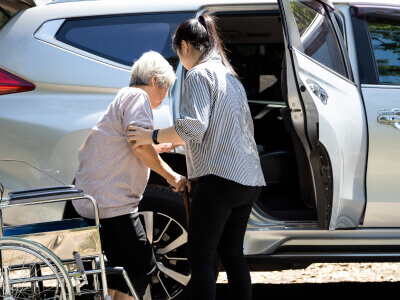
Fall Prevention

Meal Preparation

Housekeeping

Transportation and Errands

Communication Support

Companionship
Frequently Asked Questions
What are the different types of ADLs?
How are ADLs and IADLs different?
How does ADL support assist with independent living?
ADL support helps individuals maintain their independence by assisting with daily tasks they may find challenging due to age or health conditions. This support includes personal care, household chores, meal preparation, and companionship, tailored to each individual’s needs.
Are ADL support services customizable according to individual needs?
How does Home Matters Caregiving ensure the dignity and privacy of clients?
What is the process for evaluating the need for ADL support?
What are the signs that a senior might need help with ADLs?
Look for changes in routine activities, such as difficulties in eating, dressing, personal hygiene, and housekeeping. Also, watch for signs like increased accidents, changes in cognitive abilities, and withdrawal from social activities.
How can I approach the topic of ADL support with a senior loved one?
How are caregivers selected and trained for providing ADL support?
How much does ADL support cost?
The cost of in-home senior care can vary widely depending on factors such as location, the level of care needed, and specific services required. More specialized care, such as dementia care or around-the-clock assistance, may be significantly more expensive than simple companion care.
To get accurate and personalized cost estimates, a care consultation should be conducted to determine individual needs and circumstances. Connect with a Home Matter’s Aging Expert to get a better understanding of the cost structure in your area and discuss payment options or insurance coverage, if applicable.