
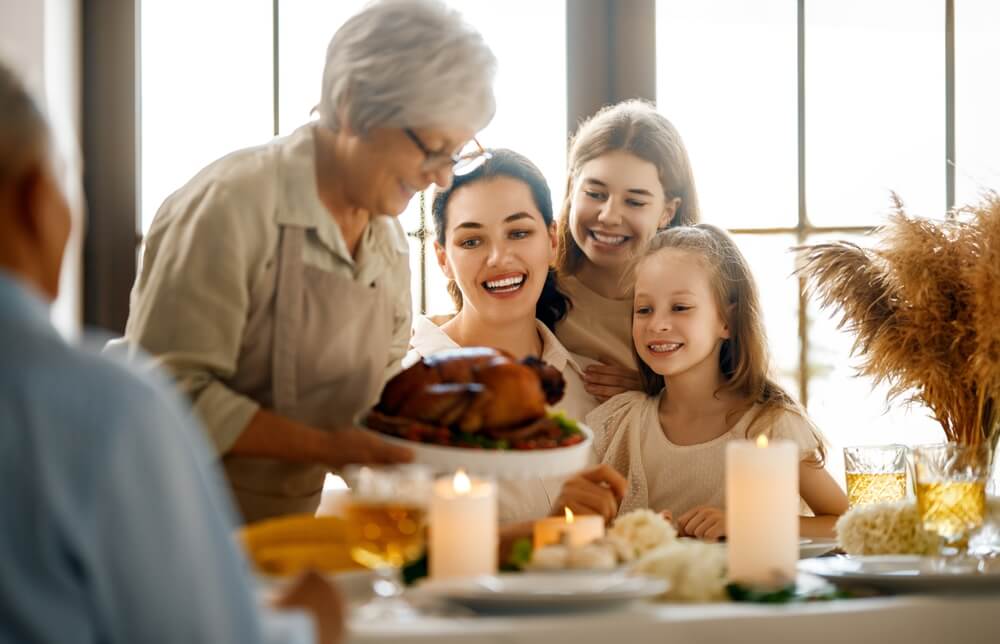
Making the Most of Thanksgiving With Senior Loved Ones
Thanksgiving is almost here—a season of warmth, gratitude, and gathering. For many families, it’s one of the few times each year when everyone comes together under one roof. As you prepare for this special day, making the most of Thanksgiving with senior loved ones becomes an opportunity to blend tradition with intentional care, ensuring that older family members feel valued, included, and cherished. Whether you’re welcoming a senior into your home or visiting them where they live, small thoughtful adjustments can transform the holiday into a more meaningful experience for everyone.
As families grow and routines shift, holidays take on new shapes. Seniors may have different needs than they once did, but that doesn’t diminish their desire to connect—or the joy they experience when surrounded by people they love. With planning, empathy, and a little creativity, Thanksgiving can remain one of the most treasured days of the year.
Creating a Welcoming Environment
A cozy, comfortable environment has a subtle but powerful effect on the holiday experience. Seniors may face mobility limitations, sensory changes, or cognitive challenges, so considering their needs can help them feel relaxed and at ease. When comfort is prioritized, the entire family benefits from a more peaceful celebration.
Simple Adjustments
Not every accommodation needs to be elaborate. Sometimes the smallest gestures are the most meaningful. These thoughtful touches help preserve dignity and comfort—key ingredients in making the day uplifting and engaging.
-
Offer seating with good back support and position chairs where noise levels are lower.
-
Check lighting to ensure spaces are well-lit for reading menus, playing games, or simply feeling oriented.
-
Maintain clear walkways so mobility aids can be used safely.
-
Provide cozy layers, since seniors often feel cooler than others.
These thoughtful touches help preserve dignity and comfort—key ingredients in making the day uplifting and engaging.
Preserving Traditions
Traditions carry emotional weight. They anchor families in memories and help seniors feel deeply connected to the holiday. Yet traditions don’t have to stay rigid to retain their meaning.
Small Adaptations
Think of the traditions your family cherishes most—favorite recipes, stories, songs, or activities. How might those rituals evolve to meet your senior loved one’s needs? These adaptations respect both the holiday’s roots and the senior’s evolving abilities.
-
Modify beloved recipes so seniors can still participate in the cooking process, even if that means stirring instead of lifting heavy cookware.
-
Invite seniors to share stories about past holidays, which not only preserves family history but also fosters meaningful connection.
-
Create photo displays of Thanksgiving celebrations from years past to spark conversation and memories.
Planning Inclusive Activities
Thanksgiving isn’t only about the meal—it’s about togetherness. Inclusive, low-stress activities give seniors a chance to engage without feeling overwhelmed. Many older adults appreciate activities that stimulate the mind, support mobility, or simply bring joy.
Activity Ideas
Keep activities flexible—seniors may enjoy participating but also appreciate the option to rest when needed. Here are a few ideas to help seniors remain active participants in the celebration:
-
Nature walks or light strolls offer fresh air, gentle movement, and quiet conversation.
-
Watching classic Thanksgiving movies or parades together invites nostalgia and relaxation.
-
Family games like trivia, charades, or card games can be adapted to accommodate different abilities.
-
Crafting centerpieces or writing gratitude notes offers creativity and emotional expression.
Balancing Rest and Engagement
One of the subtle challenges of holiday gatherings is balancing stimulation and downtime. Seniors may tire more easily or become overwhelmed by loud environments. Respecting these needs allows them to savor the day without discomfort. Encouraging seniors to listen to their bodies ensures a smoother, more enjoyable holiday for everyone.
How to Support Energy Levels
-
Offer quiet spaces where seniors can step away from the activity to rest.
-
Plan shorter bursts of engagement rather than long, uninterrupted blocks of conversation or activity.
-
Check in frequently to see how they’re feeling—sometimes they won’t speak up out of fear of “spoiling the fun.”
Thoughtful Meal Planning
Thanksgiving meals are iconic, but not all dishes are easy for seniors to enjoy. Dietary restrictions, swallowing difficulties, or digestive concerns may affect what they can comfortably eat. A little planning ensures that seniors feel fully included at the table. When seniors feel considered at the table, it deepens their sense of belonging.
Tips for Senior-Friendly Menus
-
Offer soft, easy-to-chew options, such as mashed vegetables, roasted turkey cut into small slices, or warm soups.
-
Provide alternatives for seniors with dietary needs—low-sodium broths, diabetic-friendly desserts, or heart-healthy substitutions.
-
Serve familiar flavors to evoke comfort and memories.
Strengthening Emotional Connection
The emotional dimension of Thanksgiving is often the most profound. Seniors, in particular, may be reflecting on loved ones who have passed away, changing roles in the family, or the passage of time. Creating space for heartfelt connection makes the holiday richer and more meaningful. These moments become lasting memories—and they remind seniors that their presence deeply matters.
Heartfelt Ways to Foster Emotional Connections
-
Engage in storytelling, inviting seniors to share holiday memories, life lessons, or funny mishaps from years past.
-
Express gratitude openly, especially for the senior’s role in the family.
-
Incorporate intergenerational moments, such as having children ask seniors questions about growing up or favorite traditions.
Making the Most of Thanksgiving With Senior Loved Ones Who Have Cognitive Changes
For families caring for someone with dementia or mild cognitive impairment, the holiday may require additional planning. With patience and flexibility, Thanksgiving can still be a joyful time. Compassion goes a long way in maintaining a peaceful, loving environment.
Strategies for Cognitive Support
-
Stick to familiar routines as closely as possible.
-
Label areas of the home (bathroom, bedroom, kitchen) if your loved one is visiting an unfamiliar place.
-
Limit sensory overload, opting for calm music and smaller gatherings when possible.
-
Redirect gently if confusion or agitation occurs.
Bringing Thanksgiving to Seniors Who Cannot Attend Gatherings
Not all seniors can join the family table. Some may live in assisted living communities, be recovering from illness, or prefer a quieter environment. Even so, the spirit of Thanksgiving can be brought to them. Distance doesn’t have to dilute meaning.
Ways to Stay Close
-
Schedule virtual visits, allowing seniors to join in conversations or watch family traditions remotely.
-
Deliver a Thanksgiving meal prepared with their preferences in mind.
-
Record messages from family members expressing gratitude and love.
-
Visit in person, even briefly, to share a moment of connection.
How Home Matters Can Support Families
Thanksgiving is a time to slow down and savor moments with the people who matter most. For families who need additional help caring for a senior loved one during the holiday season, in-home caregivers provide essential support—from companionship and meal preparation to mobility assistance and transportation.
Home Matters Caregiving understands the importance of preserving family traditions while ensuring safety, dignity, and comfort. Whether you need temporary holiday support or long-term care, our team is here to make the season brighter and more manageable for everyone.
Thanksgiving offers a beautiful reminder of what truly matters: connection, gratitude, and shared experience. Seniors often hold the richest stories, deepest traditions, and gentlest wisdom within a family. By focusing on comfort, inclusion, and heartfelt interaction, you can create a holiday filled with warmth and meaning—one that honors your senior loved ones and strengthens the ties that hold your family together.
Making thoughtful choices now ensures that when the day arrives, you can simply be present—laughing, reminiscing, and making the most of Thanksgiving with senior loved ones in a way that feels genuine, joyful, and memorable.