Raising Awareness on World Stroke Day: Understanding Stroke Prevention and Recovery
Every year, World Stroke Day reminds us how important it is to recognize the signs of a stroke and take proactive steps to prevent them. Strokes can affect anyone—though older adults are at greater risk—and the outcomes often depend on how quickly someone receives care. In this article, we’ll explore practical strategies for stroke prevention and recovery, helping families and caregivers protect their loved ones through education, awareness, and healthy living.
What Is a Stroke and Why Prevention Matters
A stroke occurs when the brain’s blood supply is blocked or a blood vessel bursts, causing brain cells to die within minutes. There are two main types:
-
Ischemic stroke: Caused by a clot blocking blood flow to the brain (about 87% of cases).
-
Hemorrhagic stroke: Caused by bleeding within or around the brain due to a ruptured vessel.
In both cases, time is critical. The sooner treatment begins, the greater the chance of survival and reduced long-term disability. That’s why learning about stroke prevention and recovery is vital for families and caregivers alike.
Recognizing Stroke Symptoms Early
The FAST Method
Quick recognition saves lives. The acronym FAST helps identify the early warning signs of a stroke:
-
F – Face: Ask the person to smile. Does one side droop?
-
A – Arms: Ask them to raise both arms. Does one drift downward?
-
S – Speech: Ask them to repeat a simple sentence. Is their speech slurred or strange?
-
T – Time: If you see any of these signs, call emergency services immediately.
Remember: minutes matter. Acting fast can be the difference between full recovery and permanent impairment.
Lifestyle Choices for Stroke Prevention
Preventing a stroke begins long before an emergency happens. The following habits can dramatically reduce your risk:
1. Control Blood Pressure
High blood pressure is the leading cause of stroke. Regular monitoring and following your doctor’s recommendations can lower your risk substantially.
2. Eat a Heart-Healthy Diet
Choose foods rich in nutrients—such as vegetables, fruits, lean proteins, and whole grains—while avoiding processed and high-sodium foods that raise blood pressure and cholesterol.
3. Stay Physically Active
Aim for at least 30 minutes of moderate exercise most days. Even gentle activities like walking, stretching, or water aerobics can improve cardiovascular health.
4. Manage Weight and Blood Sugar
Obesity and diabetes both raise stroke risk. Keeping weight and blood sugar in check through balanced nutrition and regular activity supports long-term wellness.
5. Avoid Smoking and Limit Alcohol
Tobacco damages blood vessels and increases clot formation, while heavy drinking can elevate blood pressure. Cutting back can dramatically improve overall vascular health.
Building a lifestyle focused on stroke prevention and recovery is not just about avoiding risk—it’s about promoting vitality and independence at every age.
The Road to Recovery After a Stroke
Recovering from a stroke can be a long and emotional process, but progress is possible with the right support and environment. Rehabilitation often involves a combination of medical treatment, therapy, and home-based care.
Physical and Occupational Therapy
Therapists help stroke survivors regain strength, coordination, and the ability to perform everyday activities like dressing, bathing, and eating.
Speech and Cognitive Therapy
For those experiencing difficulty speaking or understanding language, speech therapy is crucial to rebuilding communication skills and confidence.
Emotional and Social Support
Depression and anxiety are common after a stroke. Emotional care, companionship, and encouragement play key roles in helping survivors stay motivated and engaged.
Caregivers and professionals can work together to create a tailored plan that promotes both physical and emotional healing.
Creating a Safe and Supportive Home Environment
After returning home from the hospital, a stroke survivor’s surroundings play a critical role in their recovery. A few simple adjustments can help ensure safety and comfort:
-
Install grab bars in bathrooms and near stairs.
-
Keep floors clear of clutter and loose rugs to prevent falls.
-
Arrange frequently used items within easy reach.
-
Use adaptive tools, like utensils with special grips or shower chairs, to promote independence.
Families who focus on both safety and accessibility make it easier for loved ones to regain confidence during recovery.
How Home Care Services Support Stroke Recovery
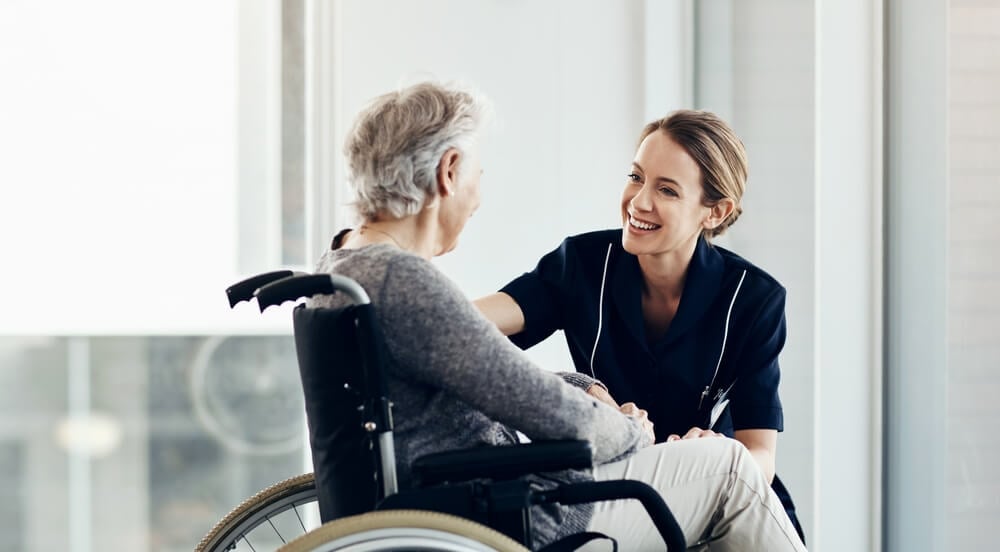
Professional home care can be a vital part of stroke prevention and recovery, especially for older adults living alone or with mobility challenges.
At Home Matters Caregiving, our caregivers provide compassionate, personalized support that helps stroke survivors maintain independence while receiving essential assistance. Services may include:
-
Help with mobility and exercises recommended by therapists.
-
Medication reminders and health monitoring.
-
Assistance with daily tasks such as bathing, dressing, and meal preparation.
-
Companionship to reduce loneliness and support emotional well-being.
This combination of professional care and personal attention helps families navigate the recovery process with confidence and peace of mind.
Education and Ongoing Prevention
Even after recovery, maintaining healthy habits is essential to prevent another stroke. Regular checkups with healthcare providers, staying active, and following prescribed treatment plans all contribute to long-term success.
Equally important is education—knowing how to recognize warning signs and taking quick action when they appear. Sharing information with family, friends, and community members helps create a culture of prevention.
Small Steps, Big Impact
Strokes can change lives in an instant—but through stroke prevention and recovery, we can change the outcome. Awareness, healthy habits, and timely care are the most powerful tools for protecting yourself and your loved ones.
At Home Matters Caregiving, we’re committed to supporting seniors and families through compassionate care, rehabilitation assistance, and ongoing education. Together, we can make every day a step toward greater health, safety, and independence.